


Introduction
Sourcing from China offers immense opportunities but also presents certain challenges. These challenges can affect the quality, cost, and reliability of your imports. By understanding the key obstacles and knowing how to address them, you can make the sourcing process smoother and more successful.
1. Language Barriers
Challenge:
Communication can be difficult, especially if you don’t speak Mandarin, the primary language in China. Misunderstandings about product specifications, delivery schedules, or terms can occur.
Solution:
- Hire a Translator or Sourcing Agent: Consider hiring a professional translator or a local sourcing agent who understands the nuances of communication and business practices in China.
- Use Translation Tools: Many Chinese suppliers are now familiar with English, but using tools like Google Translate can help overcome minor communication barriers.
- Clarify Specifications in Writing: Always confirm product details and terms in writing, using clear language to avoid misunderstandings.
2. Payment Risks
Challenge:
Dealing with payments can be risky, especially with scams or fraud, as some suppliers may not be trustworthy, and payment methods can be complex.
Solution:
- Use Secure Payment Methods: Stick to secure payment methods like PayPal, Alibaba Trade Assurance, or letters of credit, which offer buyer protection.
- Negotiate Terms: Work out a clear payment structure—typically a 30% deposit upfront and 70% after quality checks or prior to shipment—to minimize risk.
- Research Suppliers: Always verify the credibility of the supplier by checking reviews, business licenses, and requesting product samples before committing.
3. Shipping Delays
Challenge:
Shipping delays are a common issue when sourcing from China, due to factors like customs clearance, port congestion, or inadequate logistics planning.
Solution:
- Work with Reliable Freight Forwarders: Hire experienced freight forwarders who can manage customs and ensure your goods are shipped on time.
- Plan for Delays: Build buffer time into your delivery schedule and stay updated on any potential shipping disruptions.
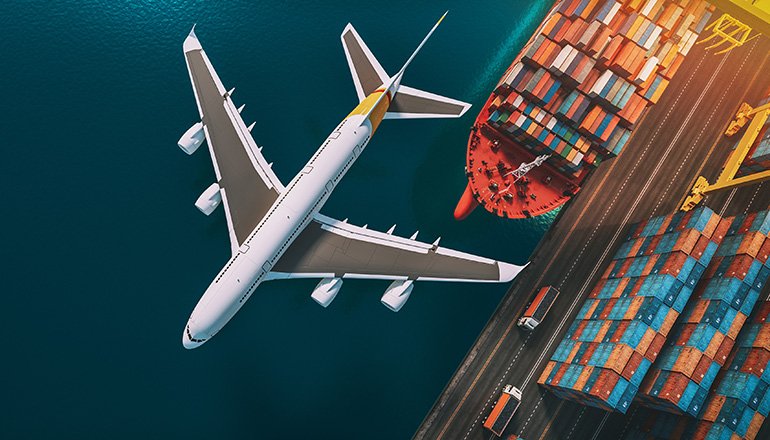
- Choose the Right Shipping Method: Air freight is faster but more expensive, while sea freight takes longer but is more cost-effective. Choose based on urgency.
4. Ensuring Product Quality and Consistency
Challenge:
One of the biggest challenges is ensuring that the products you receive meet your expectations in terms of quality and consistency, especially when sourcing in large quantities.
Solution:
- Request Samples: Always request samples before placing large orders to check the product quality firsthand.
- Set Clear Quality Standards: Communicate your quality expectations with your supplier in detail (e.g., materials, finishing, packaging).
- Third-Party Inspections: Hire third-party inspection companies to conduct quality checks during production and before shipment to ensure compliance with your specifications.
Conclusion
By addressing these common challenges—language barriers, payment risks, shipping delays, and quality control—you can navigate the complexities of sourcing from China more effectively. Taking proactive steps, such as working with reliable partners and conducting thorough research, will help ensure a smooth and successful sourcing experience.


